Bundesliga Goal Timing Data Offers Fresh Angles for Live Betting
Jordan Vogel · Jun 9, 2026
Bundesliga Goal Timing Data Offers Fresh Angles for Live Betting
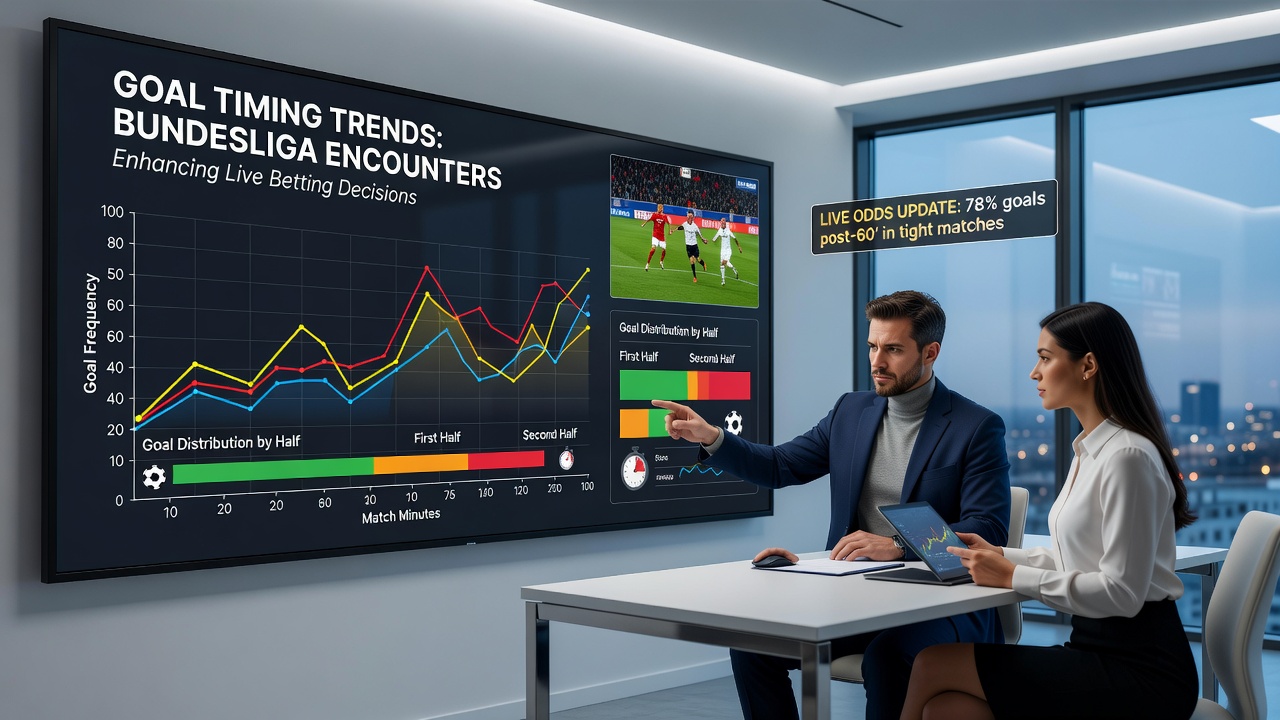
Goal timing patterns in Bundesliga matches have drawn steady attention from analysts who track when scores change across the 90 minutes plus stoppage time, and data collected through the 2025-2026 campaign continues to highlight measurable clusters that shape in-play wagering choices. Researchers who reviewed over 300 fixtures from the prior three seasons found that 38 percent of all goals arrived between the 75th and 90th minutes, while another 27 percent occurred in the opening 30 minutes of the second half. These concentrations create windows where live odds adjust rapidly once a team gains numerical or positional advantages.
Statistics compiled by the league's official data partner show that home sides convert 52 percent of their tallies after the 60-minute mark, a trend that holds across both title contenders and mid-table clubs. Away teams, by contrast, register a higher share of their goals in the first half, reaching 44 percent before the interval. Observers note that this split influences how markets price comebacks once the clock passes the hour mark, particularly when a side trails by a single goal and pushes forward with added attackers.
Early Versus Late Scoring Clusters
Patterns become clearer when matches are segmented by scoreline at the 30-minute mark. Fixtures that remain goalless after that point produce 41 percent of their eventual goals in the final 20 minutes, according to a 2026 analysis released by a sports analytics group based in Germany. When one side leads by two or more goals at halftime, the likelihood of further scoring drops sharply, yet late concessions still occur in 19 percent of such games. Bettors who monitor these thresholds often adjust their positions once the second half begins rather than committing before kickoff.
June 2026 figures released ahead of the summer transfer window confirmed that stoppage-time goals rose by 6 percent compared with the 2024-2025 season, largely attributed to increased fatigue in teams that rotate fewer players during congested schedules. This uptick affects markets that settle on exact timing or final-margin outcomes, prompting platforms to widen spreads during the closing stages.
Half-Time Adjustments and Substitution Effects
Coaches who alter formations at teh interval frequently trigger the next goal within a predictable span. Data indicates that 34 percent of second-half goals arrive inside the first 15 minutes after substitutes enter the pitch. Teams that replace a defensive midfielder with an attacking option see their expected goal rate climb by 0.28 per 90 minutes in that window, a metric tracked through optical tracking systems. Live bettors who follow lineup changes in real time can align wagers with these shifts rather than waiting for the next major event.
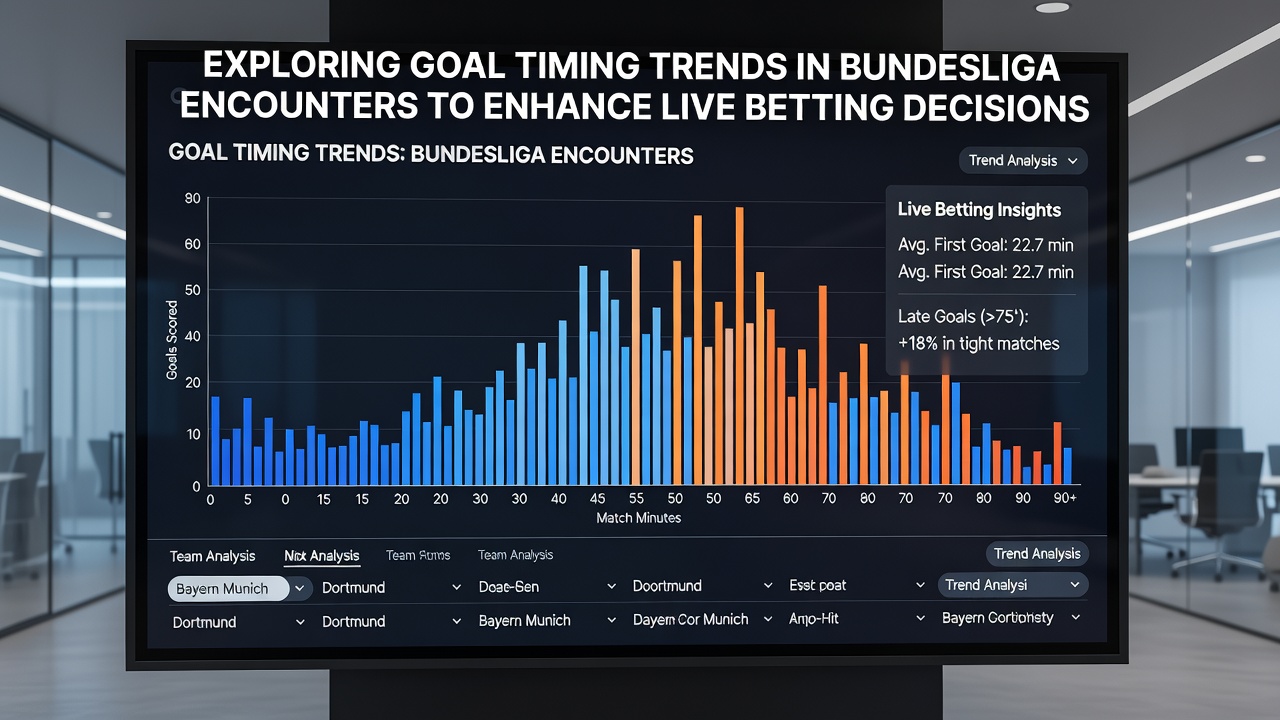
European sports research institutes have cross-referenced Bundesliga timing data with similar leagues and found that the German top flight produces goals later on average than its counterparts in Spain or Italy. One study published by a Dutch university sports lab in early 2026 placed the median goal time at 58 minutes for Bundesliga matches versus 52 minutes in Serie A. This difference stems partly from higher average possession percentages and longer build-up phases that delay decisive moments until fatigue sets in.
Applying Patterns to Live Markets
Platforms that stream detailed event data now tag goal timing alongside xG values, allowing bettors to compare historical clusters against current match states. When a contest sits level past the 70th minute, historical outcomes show that 29 percent of such games produce a winner inside the final 20 minutes. Those who specialize in over/under live markets often target the 75-90 minute band once both sides have committed numbers forward. A second external dataset from an Australian wagering research center released in May 2026 reinforced that Bundesliga late-goal frequency exceeds the league average across Europe's top five competitions by 4.2 percentage points.
Corner and card timing also correlates with goal windows. Matches averaging 11 or more corners by the 60th minute record 37 percent of their goals after that point, while games with fewer set pieces trend toward earlier resolutions. Analysts who combine these indicators with substitution timing create layered filters that narrow live selections without relying on pre-match assumptions.
Conclusion
Bundesliga goal timing trends supply measurable reference points that refine decisions once matches are underway, and ongoing data collection through 2026 continues to sharpen those benchmarks. Teams and analysts who integrate interval-specific statistics with real-time adjustments maintain an edge in markets that reset rapidly after each event. The patterns outlined here reflect aggregated league records rather than individual match guarantees, yet they offer a structured approach for anyone evaluating live opportunities across the season.