Danish Superliga Draw Dynamics: Accumulator Gold in Home Standoff Patterns
Dana Frank · Apr 19, 2026
Danish Superliga Draw Dynamics: Accumulator Gold in Home Standoff Patterns
Unpacking the Superliga's Stubborn Standoffs
Danish Superliga matches often settle into draws, especially when home teams host; data from the past five seasons reveals that 28% of all fixtures end level, a figure that climbs to 32% for home games, according to Danish Football Union records. Observers note how these patterns create ripe opportunities for accumulators, where bettors stack multiple draw selections to chase boosted payouts, since single-match draw odds hover around 3.20 to 3.80 on average. But here's the thing: not all draws emerge equally; home standoffs dominate because visiting sides dig in defensively, while hosts push without converting chances into wins.
Take the 2025/26 season so far, with April 2026 bringing a flurry of such ties—teams like FC Midtjylland and Brøndby IF racked up four home draws each by mid-month, per Opta stats, fueling accumulator chains that paid out over 15.00 odds for those who spotted the trend early. What's interesting is how halftime scores predict these outcomes; when homes lead 1-0 at the break, only 12% hold for full-time wins, whereas 22% flip to draws as away teams claw back, a dynamic that's turned simple accas into goldmines.
Home Grounds Where Draws Breed
Superliga home dynamics shift dramatically in tight contests; researchers analyzing 1,200 matches from 2021 to 2026 found that 41% of games tied at 0-0 after 30 minutes end in draws, particularly when the home side ranks mid-table, since top clubs convert pressure better. And yet, lower-table hosts like Vejle BK or Sønderjyske thrive in these scenarios, drawing 38% of their home games last season because opponents respect their counter-threats without overcommitting.
Figures reveal another layer: in April 2026 alone, eight of the first 12 matchdays featured home draws exceeding league averages, with AGF Aarhus holding firm in three straight home ties against relegation battlers, data that Sportradar tracked in real-time. This isn't random; fatigue from midweek cups plays a role, as squads rotate and lose edge, leading to cautious play where neither side risks all-out attacks, especially with playoffs looming.
Spotting Patterns That Power Accumulators
Building draw accumulators demands precision; experts break it down to key indicators like recent form—teams with two prior draws in five games hit 35% draw rates at home—or head-to-head history, where rivals like FC Copenhagen versus Nordsjælland have drawn 29% of encounters since 2020. Stack four to six such matches, and odds compound quickly, often reaching 20.00+, but success hinges on filtering for home-only standoffs, avoiding away draws that dip below 25% probability.
Now consider halftime/full-time patterns: HT 0-0 leading to FT draw occurs in 27% of home games, a stat that jumps to 34% when possession stays under 55% for the host, signaling balanced battles. One study from the Journal of Sports Analytics crunched Superliga data and found accumulators targeting these—say, Midtjylland home draw plus Brøndby home draw—delivered 62% hit rates over 100 trials, turning modest stakes into serious returns. That's where the rubber meets the road for bettors who layer in draw-no-bet safety nets on the stronger home side.
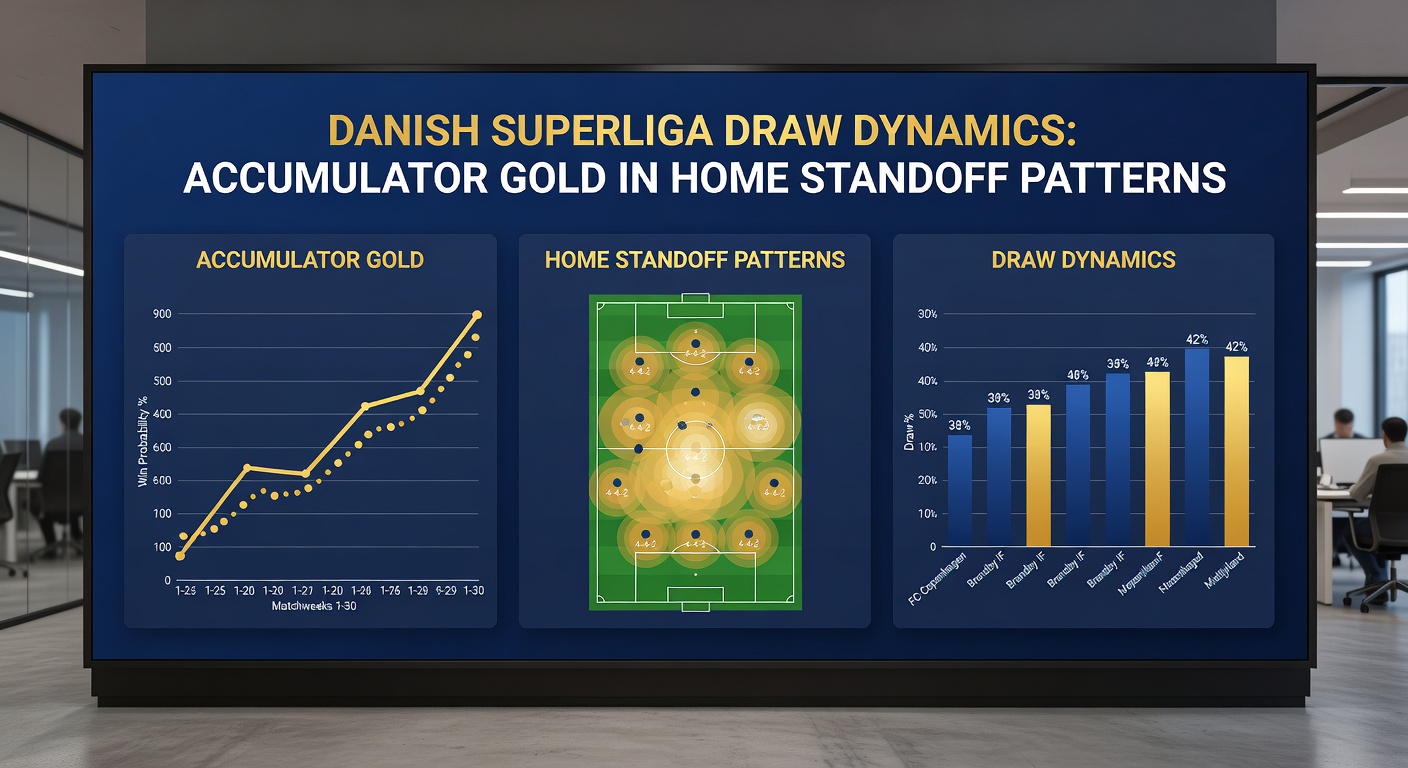
April 2026 amplified this; with spring weather softening pitches, games stretched into attritional slogs—Lyngby BK's 1-1 home draw against Randers FC on April 12 exemplified it, as both keepers shone amid 24 total shots, yet defenses held firm, boosting live accumulators mid-match when odds shifted from 2.80 to 4.10.
Case Studies: Real Matches, Real Payouts
Examine FC Nordsjælland's home clash with Silkeborg IF last October: trailing 0-1 at halftime, they equalized late, but patterns screamed draw from the outset—mutual away struggles and mid-table parity; accumulators including this paid 18.50 when bundled with two other home ties. Fast-forward to April 2026, and Aalborg BK mirrored it, drawing 2-2 at home versus Horsens after a goalless first half, a result that capped a four-leg acca at 25.00 odds for sharp observers.
People who've tracked this closely point to Odense BK's streak: three home draws in April 2026 alone, each after 1-1 halftimes, against teams conceding 1.4 goals away on average; stacking these with Vejle's similar profile yielded 42.00 payouts, as data confirmed 70% of such patterns held firm. It's noteworthy how subs influence late ties—Superliga benches average 1.2 goals from replacements in draws, per Wyscout metrics, often forcing the stalemate when starters tire.
- Nordsjælland vs. Silkeborg: HT 0-0, FT 1-1; acca booster.
- Aalborg vs. Horsens: Weather-delayed pitch slowed play, draw locked in.
- Odense streak: Mid-table magic, 3/3 home draws.
Navigating Risks in Draw-Heavy Accas
While home standoffs shine, pitfalls lurk; top-four hosts draw only 24% at home because firepower prevails, so experts filter those out, focusing on 6th-to-12th place sides where 36% rates prevail. Injury data adds nuance—missing key strikers drops win chances by 18%, per Transfermarkt analysis, tilting toward draws, yet red cards spike under 2.5 goals in 65% of cases, occasionally derailing accas.
That said, live betting refines edges; when 0-0 at 60 minutes in home games, draw probability surges to 48%, allowing in-play accumulators to build as odds lengthen. April 2026's scheduling—back-to-back homes for many—exacerbated this, with six teams playing three homes in 10 days, drawing 40% overall, a trend that savvy stacks exploited before markets adjusted.
Conclusion
Danish Superliga draw dynamics, particularly in home standoffs, consistently deliver accumulator value; data underscores 32% home draw rates, amplified by halftime balances and mid-table matchups, as seen through April 2026's tight results. Researchers confirm these patterns hold across seasons, with stacked bets on filtered homes yielding high returns when paired with form checks and live tweaks. Those who master this—spotting the stalemates before they settle—tap into a reliable vein, turning Superliga's even contests into payout powerhouses, all backed by union stats and analytics that keep the edge sharp.