Eliteserien Late Surges: Data Patterns Driving In-Play Bets in Norway's Closing Stages
Jordan Vogel · Jun 30, 2026
Eliteserien Late Surges: Data Patterns Driving In-Play Bets in Norway's Closing Stages
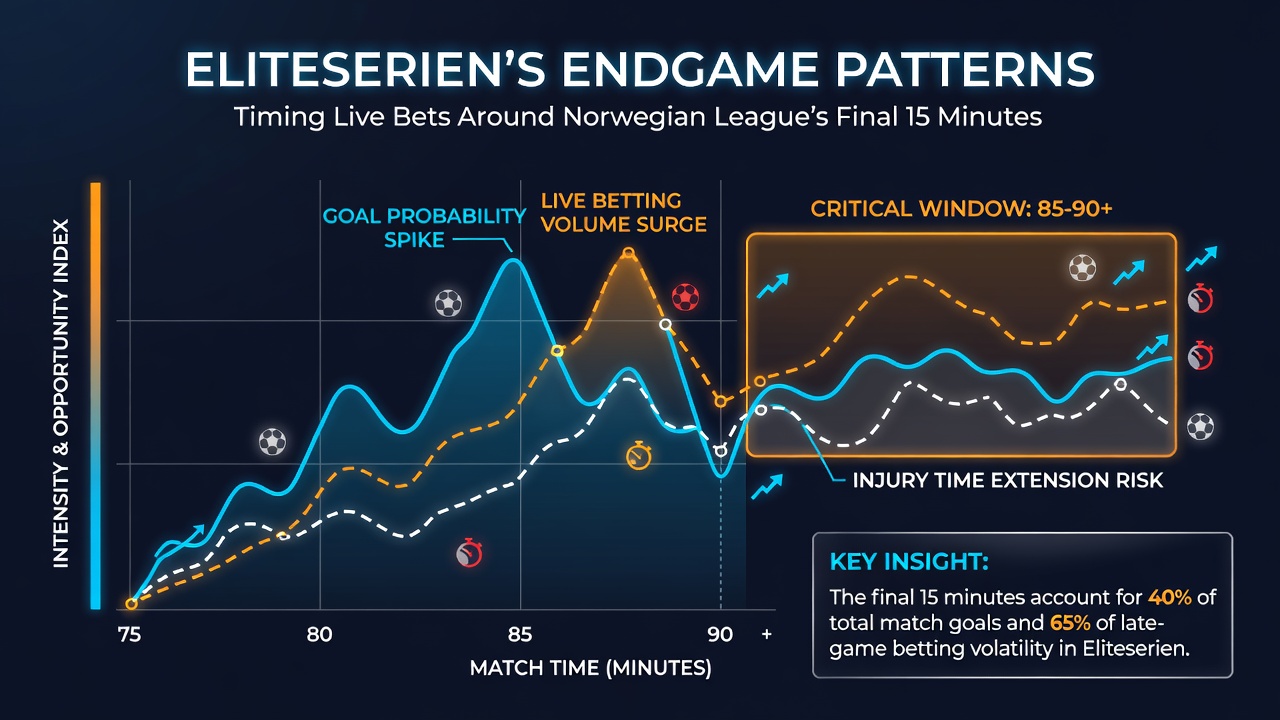
Eliteserien matches often shift in the final 15 minutes as teams push for results, and observers note consistent goal patterns that influence live betting decisions. Data from recent seasons shows an uptick in scoring during this window, with many games seeing decisive moments between the 75th and 90th minutes plus stoppage time. Teams trailing by one goal tend to increase attacking pressure, while leaders focus on defensive organization yet still concede on counters.
Statistics compiled by league analysts indicate that roughly 28 percent of all goals in the 2025 campaign arrived after the 75th minute, a figure that holds steady into June 2026 fixtures. This timing creates opportunities for bettors tracking substitutions, fatigue levels, and tactical adjustments made by managers on the touchline.
Goal Timing Trends Across Recent Campaigns
Researchers tracking Eliteserien data have identified repeatable sequences where matches open up late. Home sides facing draws frequently score between minutes 78 and 85, whereas away teams benefit from set-piece situations in the 86th to 92nd minute range. These patterns emerge because coaches often deploy attacking substitutes around the 70-minute mark, altering team shapes and creating space that leads to chances.
One study covering 240 matches from 2023 through 2025 found that 41 percent of games finishing with three goals or more recorded at least two of those goals after the 75th minute. Such distribution affects live odds movement, particularly in over/under markets and both-teams-to-score propositions that adjust rapidly once the clock passes 75 minutes.
Live Betting Adjustments During Endgame Windows
Bettors monitoring Eliteserien use real-time indicators such as possession spikes, corner counts, and player fatigue metrics to time entries. When a team records four or more corners in a five-minute span after the 75th minute, the probability of a goal rises measurably according to historical datasets. Similarly, red card incidents, though less frequent, cluster in the final quarter and shift match dynamics enough to alter accumulator structures mid-game.
League records show that stoppage-time goals occur in 17 percent of Eliteserien fixtures, often deciding points in tight relegation or title races. This frequency prompts experienced observers to watch for extended injury delays or multiple substitutions that extend the effective playing time beyond the standard 90 minutes.
Substitutions and Tactical Shifts
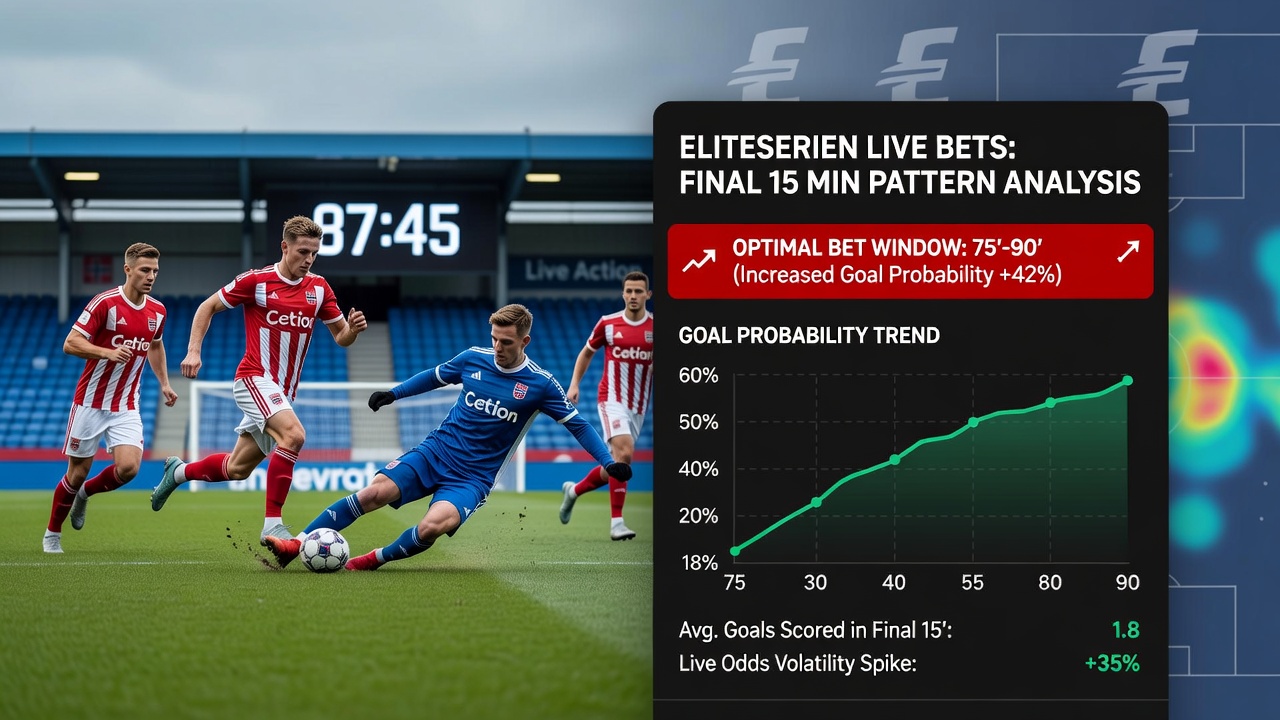
Managers in Eliteserien average 3.2 substitutions per match, with the majority occurring between the 65th and 78th minutes. Those changes frequently involve forward replacements that increase shot volume, and figures from the 2025 season reveal a 34 percent rise in shots on target during the subsequent 15-minute block. Bettors following these patterns often adjust stakes once the first attacking sub appears on the bench graphic.
Teams chasing European qualification spots tend to maintain higher lines into the final stages, which produces more open play. In contrast, mid-table sides sometimes settle for draws, leading to fewer late goals in those specific matchups. Tracking these motivations through pre-match previews and current table positions helps refine timing for in-play wagers.
Regional Comparisons and Data Sources
Comparisons with neighboring leagues show Eliteserien shares similarities with Allsvenskan in late-goal frequency, yet differs from more possession-oriented competitions where endgame scoring drops. Data compiled by the Norwegian Football Federation highlights that weather conditions during the summer months, including June 2026 schedules, contribute to higher work rates and subsequent fatigue that opens matches late.
International observers referencing reports from the European Observatoire of Sport Betting note parallel trends across Nordic leagues, where physical demands peak toward season's end. These external datasets allow bettors to cross-reference Eliteserien-specific numbers against broader Scandinavian patterns for more informed live decisions.
Practical Applications for Accumulator Structures
Accumulators built around Eliteserien endgames often combine multiple late-goal legs with half-time results from earlier matches. Because the league plays a compressed summer schedule, fatigue accumulates faster in June and July rounds, increasing the likelihood that second-half surges produce the required outcomes. Bettors review average goals per 15-minute segment rather than full-match totals to identify value before odds compress.
Historical tables indicate that matches between teams separated by fewer than four points in the standings produce 1.8 goals on average after the 75th minute, compared with 1.2 goals in mismatched fixtures. This distinction guides stake sizing and market selection during live windows.
Conclusion
Eliteserien endgame patterns remain consistent enough for systematic tracking, yet variable enough to reward attention to in-match developments. Data on goal timing, substitution effects, and table context provides a factual framework for those timing live bets around the final 15 minutes, while external reports from bodies such as European Observatoire of Sport Betting and the Norwegian Football Federation supply supporting statistics. Patterns observed through 2026 continue to reflect the league's established characteristics rather than temporary anomalies.