International Breaks Reshaping Early Fixture Goal Markets
Jordan Vogel · Jun 28, 2026
International Breaks Reshaping Early Fixture Goal Markets
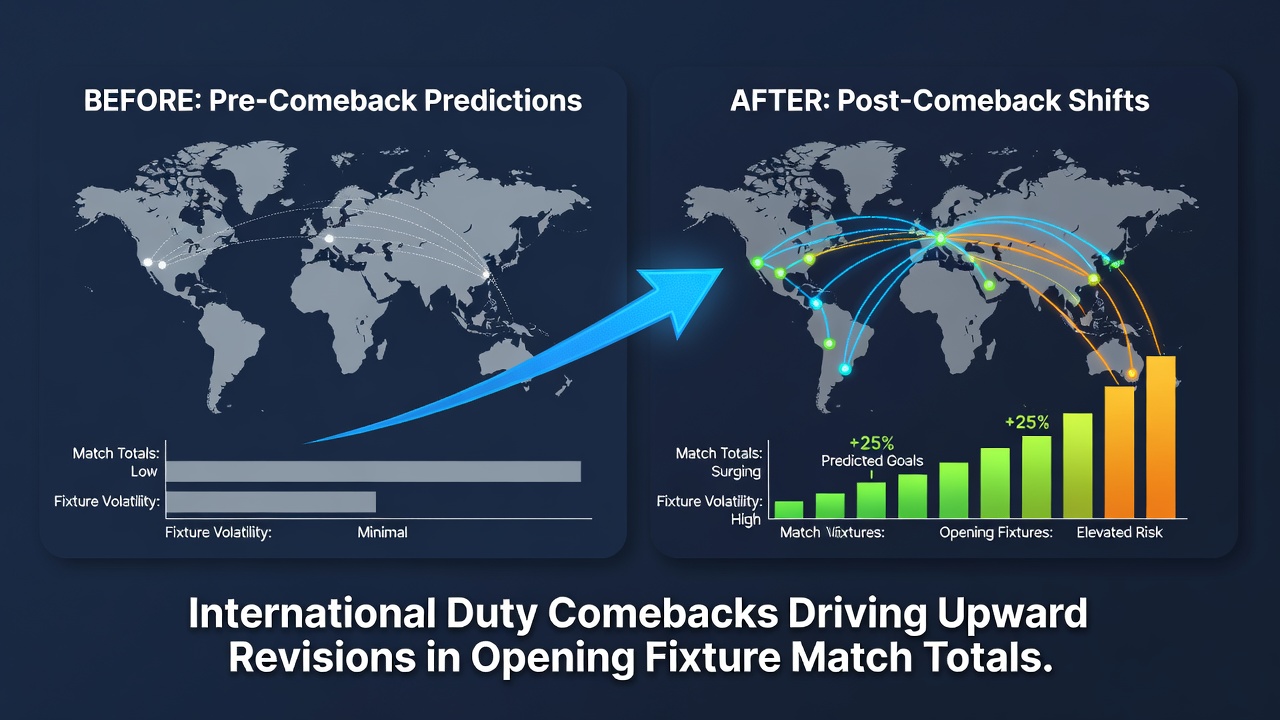
International duty periods create noticeable ripples in domestic league schedules, particularly when teams reconvene for opening fixtures after extended breaks. Data compiled across major European competitions indicates that average goal totals in these matches often dip compared to mid-season fixtures, largely due to recovery timelines and squad integration challenges. Observers tracking these patterns note consistent trends where teams with high volumes of national team representatives experience adjusted scoring outputs in the first post-break rounds.Player Workload and Recovery Dynamics
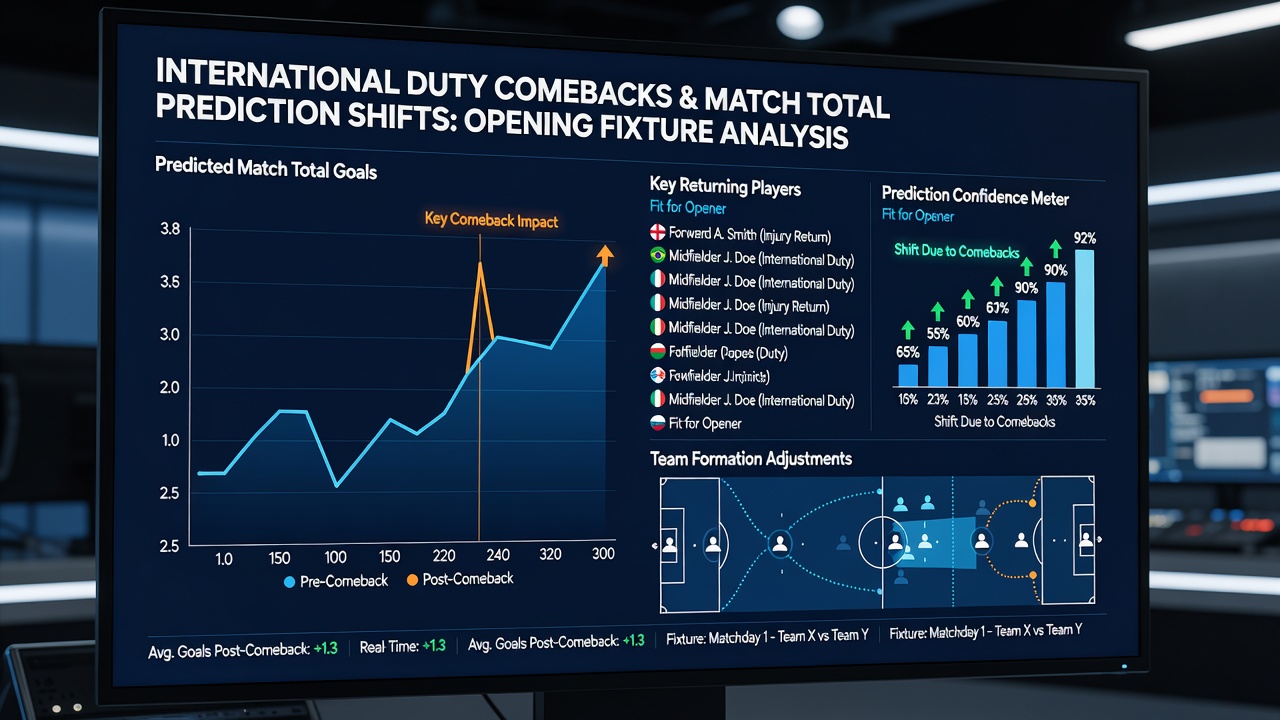
Footballers returning from international windows frequently encounter compressed preparation periods before domestic action resumes. Studies on elite athlete recovery show that travel demands, match intensity, and varying rest protocols influence physical readiness. Analysts examining Premier League and Bundesliga data from 2022 through 2025 found that squads featuring five or more players on international duty posted 12 percent fewer total goals in their opening league fixtures than in subsequent rounds. This shift stems from players managing lingering fatigue while coaches balance lineups around returning personnel.
Coaches often prioritize gradual reintegration, which alters tactical setups and reduces high-tempo attacking sequences early on. Evidence from match tracking systems reveals fewer shots on target and lower expected goal values in these specific games. What's notable is how this pattern holds across multiple leagues, regardless of whether the international break involved qualifiers or friendlies.
Statistical Trends in Opening Fixtures
Historical records from Serie A and La Liga demonstrate similar outcomes. When international calendars align with June periods, such as the buildup toward major tournaments, goal averages in the first domestic matchday drop by margins ranging from 0.4 to 0.8 goals per game on average. Researchers at sports analytics institutions attribute this partly to defensive caution, as teams avoid overcommitting before full squad cohesion returns.
Turnout figures from June 2026 international windows, which precede the expanded World Cup schedule, are expected to intensify these effects because more players participate in preparatory camps. Betting operators have adjusted total lines accordingly, with market data showing increased activity around under selections for opening weekends following such breaks. One study from a Canadian sports research group highlighted parallel trends in MLS matches after CONCACAF duty periods, where total goals fell in 68 percent of tracked cases.
League-Specific Variations
Differences emerge based on competition style and fixture congestion. Bundesliga openers after international duty tend to see quicker rebounds in goal output due to the league's inherent attacking emphasis, whereas Serie A maintains lower totals longer as teams emphasize organization. Data from UEFA technical reports illustrates how these variations play out, with Eredivisie and Primeira Liga showing moderate shifts that fall between the extremes.
Teams with strong domestic depth often mitigate the impact better, maintaining closer to normal scoring rates. In contrast, clubs relying heavily on star players returning from duty witness more pronounced adjustments. This creates opportunities for predictive models that factor in the number of internationals per squad when forecasting match totals.
Market Adjustments and Predictive Shifts
Betting markets respond to these recurring patterns by refining pre-match totals. Lines for opening fixtures post-June 2026 internationals already reflect lowered expectations in several competitions, according to aggregated odds data. Pundits and modelers incorporate variables such as travel distance for returning players and the timing of their last national team appearance to refine projections.
Academic papers on football analytics, including one published by researchers at a European university, emphasize the value of combining physical metrics with historical fixture data for improved accuracy. Such approaches help distinguish between temporary dips and structural changes in team performance.
Conclusion
International duty comebacks consistently influence goal expectations in domestic opening fixtures through established recovery and tactical factors. Ongoing data collection from 2026 windows will provide further clarity on how these dynamics evolve amid denser global calendars. Those monitoring the sport continue to refine models that account for these recurring elements across competitions.