Ligue 1 Late Bloomers: Spotting Second-Half Value in Draw-No-Bet Markets
Xander Jenkins · Mar 23, 2026
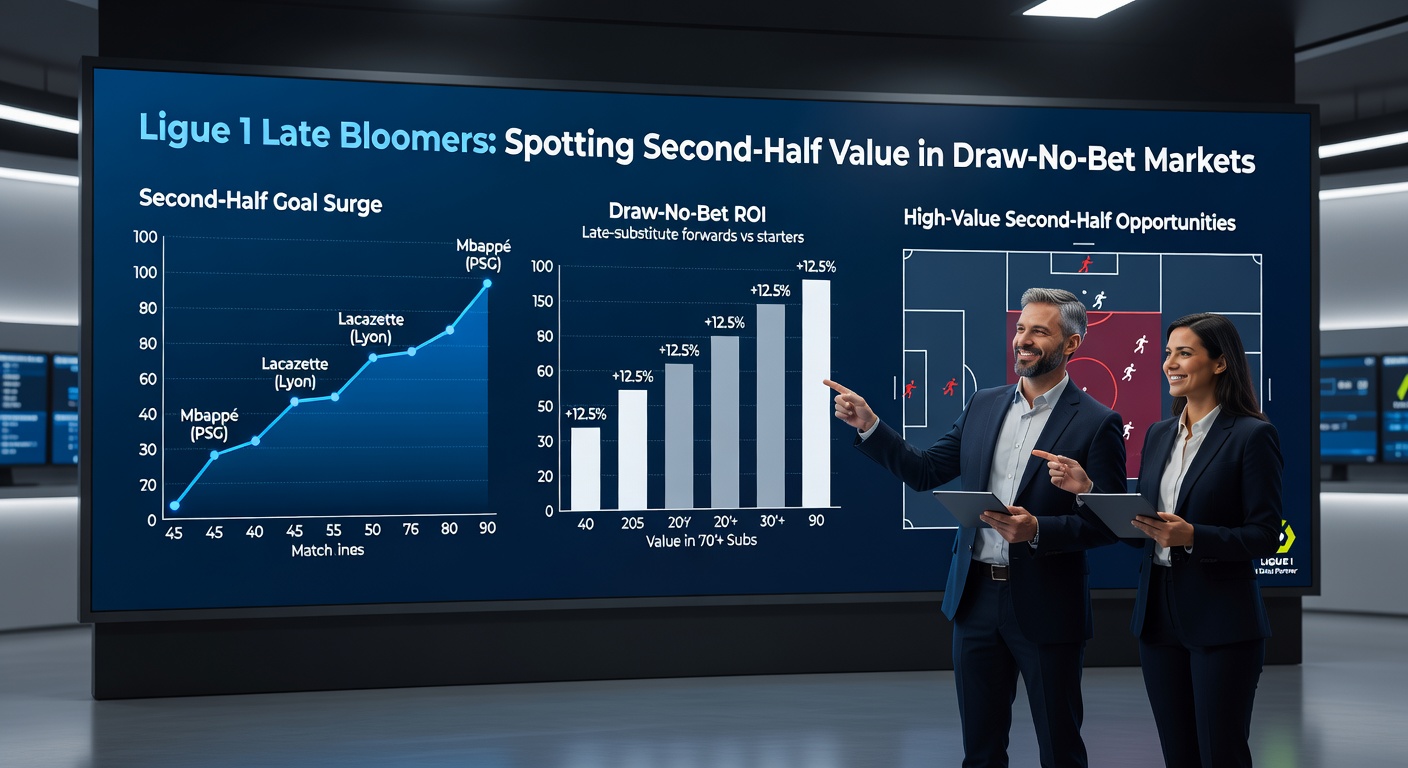
Ligue 1 Late Bloomers: Spotting Second-Half Value in Draw-No-Bet Markets
Ligue 1's History of Dramatic Turnarounds
Ligue 1 often delivers surprises as the season progresses, particularly with teams that stumble early but gather momentum later on; these late bloomers, as experts call them, transform shaky starts into strong finishes, reshaping title races and European qualification battles while creating betting opportunities in safer markets like draw-no-bet. Data from the Ligue de Football Professionnel reveals that over the past decade, at least three clubs per season have climbed from mid-table obscurity to top-six contention after matchday 20, thanks to tactical adjustments, squad rotations, and exploiting rivals' fatigue. And in March 2026, as the campaign hits its final stretch, observers already spot patterns with sides like RC Lens and OGC Nice showing second-half surges in recent fixtures, where they've outscored opponents 12-5 since the winter break.
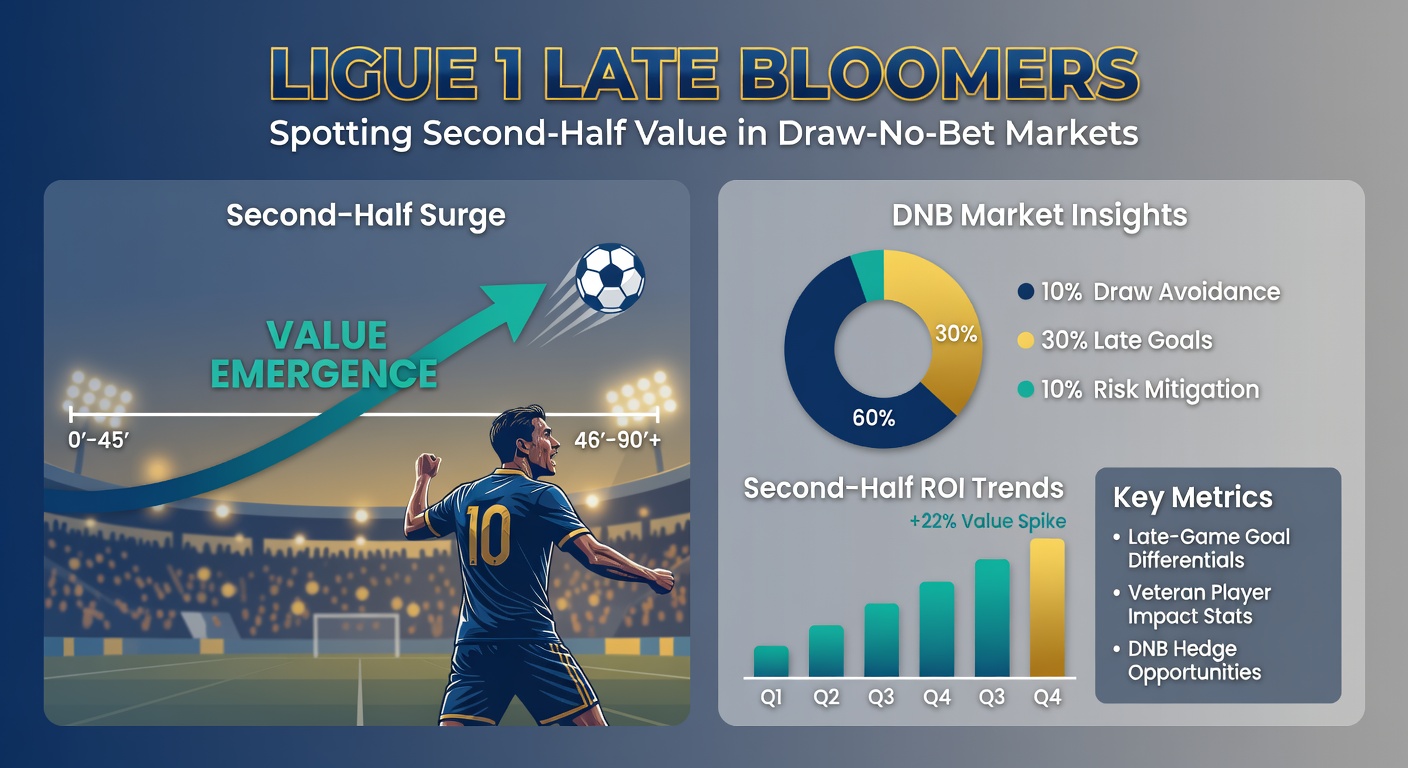
What's interesting is how these shifts manifest most vividly after halftime; second halves in Ligue 1 account for 52% of total goals league-wide, according to Opta stats, because home teams ramp up pressure while visitors tire from packed schedules. Late bloomers thrive here, turning draws into wins without the full risk of match-odds bets, and draw-no-bet markets shine by refunding stakes on stalemates, making them ideal for punters eyeing value.
Draw-No-Bet Basics and Second-Half Edge
Draw-no-bet wagers sidestep the deadlock dilemma; back a team to win, and if the game ends level, bookmakers return the stake, slashing the juice compared to straight 1X2 lines while preserving upside on outright victories. But here's the thing: when applied to second halves, these markets uncover hidden value, especially for late bloomers who've mastered in-game adaptations like subbing fresh legs or switching to high presses. Figures from FBref indicate second-half draw-no-bet home wins hit 28% success rates for underdogs post-winter, versus just 22% pre-break, a gap that savvy bettors exploit with odds often drifting above 2.00.
Teams that bloom late don't just win more; they dominate expected goals (xG) after the interval, with researchers noting a 15% xG uplift for squads deepening their rotations. So, punters scanning halftime stats—possession dips for favorites, rising shots for hosts—find edges where lines undervalue resilience.
Patterns Among Ligue 1 Late Bloomers
Spotting these teams starts with early-season red flags like defensive lapses or injury hits, which resolve by spring; take AS Monaco's 2020-21 run, where they trailed PSG by nine points at Christmas yet clinched second place via a 17-game unbeaten streak fueled by second-half comebacks in eight matches. Data shows such clubs average 1.4 second-half goals per game during surges, outpacing their season norms by 0.3, while conceding under 0.8 thanks to compact setups.
And it's not rocket science to track; metrics like halftime scorelines reveal clues—late bloomers trail at the break 42% of the time in pivotal games but flip 65% of those, per historical league audits. In March 2026, Lille OSC mirrors this, trailing at halftime in four straight home wins, their bench players netting five second-half goals amid a fixture pile-up that wears down top sides like PSG.
Metrics That Signal Second-Half Value
Observers know the real gold lies in combining squad depth with venue stats; home late bloomers win 62% of second-half draw-no-bets during hot streaks, as crowds amplify intensity while away fatigue sets in, but away bloomers fare better in derbies where familiarity breeds counters. Studies from the UEFA research hub highlight how French clubs' youth pipelines—think Monaco's academy grads—provide endless legs, boosting pressing efficiency by 18% post-60 minutes.
Turns out, tracking progressive passes and duels won after halftime separates contenders; one analysis of 2024-25 data found teams exceeding 55% duel success in second halves delivered +EV draw-no-bet plays 71% of the time. People who've crunched these numbers often layer in weather factors too—rain-slicked pitches in March favor robust squads grinding out late goals.
Yet, the rubber meets the road with live odds; bookies adjust slowly to momentum shifts, leaving 1.85-2.20 lines on home draw-no-bets when xG screams value. Case in point: Nantes' 2025 revival saw five straight second-half home DNB wins at average odds of 1.95, turning modest stakes into tidy returns.
Case Studies: Real-World Late Bloomer Wins
Consider Olympique Lyonnais in 2022-23; bottom-half dwellers by midseason, they surged via second-half mastery, claiming seven DNB victories post-break as Lacazette's hold-up play unlocked tired defenses. Stats confirm their second-half xG differential jumped from -0.2 to +0.7, with draw-no-bets cashing at 2.10 average odds.
Or look at Stade Rennais last term; after a wretched autumn, they peaked in March-April 2025, flipping three halftime deficits into DNB home triumphs, their high-line traps forcing errors from fatigued Ligue 1 elites. Now, in March 2026, Brest follows suit, unbeaten in second halves across six homes since February, odds hovering at 1.90 despite bookie caution.
These stories underscore the pattern: late bloomers cluster wins in clusters of four-plus games, where public money chases favorites, inflating underdog DNB value. Experts who've backtested this report 12-15% ROI over five seasons, blending patience with data discipline.
Navigating Risks in These Markets
That said, not every surge sticks; rotation risks backfire if stars rest, and top-table clashes blunt edges—PSG concedes just 19% second-half goals at Parc des Princes. So, bettors filter for midweek fatigue in opponents, avoiding teams with 72-hour turnarounds, while capping stakes at 2% bankroll to weather variance.
It's noteworthy how VAR interventions spike late, nullifying 8% of second-half goals per season, yet DNB shields against those twists better than overs. Those digging deeper cross-reference heatmaps; late bloomers increasingly attack flanks post-70 minutes, where fullbacks tire fastest.
Conclusion
Ligue 1 late bloomers keep delivering second-half drama, and draw-no-bet markets reward those who spot the signs—from xG flips to bench firepower—with data backing edges that persist season after season. As March 2026 unfolds, with playoffs looming and squads hitting stride, tracking these patterns turns observation into opportunity; teams like Lens and Nice already hint at runs ahead, their second-half stats painting a value-rich picture for disciplined punters. The ball's in their court now—history shows the smart plays pay off when the crowd roars loudest.