Midweek European Fixtures Expose Recovery Patterns Through Squad Rotation Data
Leon Becker · May 22, 2026
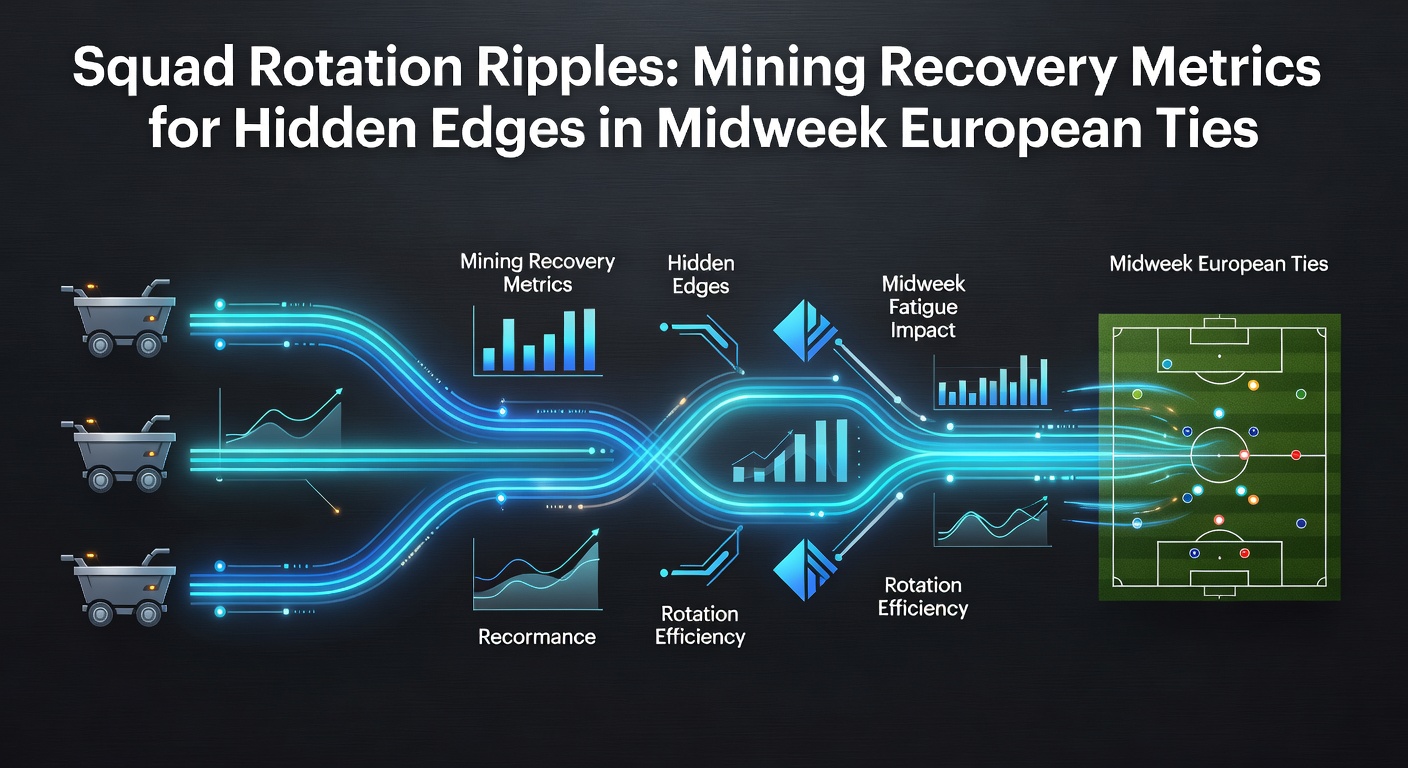
Midweek European Fixtures Expose Recovery Patterns Through Squad Rotation Data
Coaches across Europe's top clubs manage demanding schedules that mix domestic league games with midweek European ties, and squad rotation emerges as a central tactic to maintain performance levels throughout the season; data from recent campaigns shows how teams balance player minutes while monitoring recovery indicators such as heart rate variability, sleep quality, and muscle soreness scores collected through wearable technology.
Rotation Trends in Champions League and Europa League Campaigns
Clubs participating in the Champions League and Europa League during the 2025-2026 season demonstrate clear patterns where managers rotate up to six players between midweek fixtures and weekend league matches, according to UEFA technical reports; this approach helps preserve key athletes for crucial knockout stages while data from GPS tracking systems reveals that rotated squads often cover similar total distances yet record lower high-intensity sprint counts in the subsequent domestic game.
Teams from the Premier League, La Liga, and Bundesliga illustrate these shifts most consistently, and observers note that English sides average a 22 percent reduction in starting eleven continuity when facing midweek travel across time zones, whereas Italian clubs maintain slightly higher retention rates because their domestic schedule allows more recovery days before European encounters.
Recovery Metrics and Performance Indicators
Recovery monitoring has become standard practice among medical departments at clubs like Real Madrid, Bayern Munich, and Manchester City, where staff analyze lactate thresholds and neuromuscular fatigue readings collected 48 hours after each match; studies from sports science institutions indicate that players returning from midweek European travel exhibit a 15 to 18 percent drop in explosive power output unless coaches implement targeted rotation strategies.
These measurements feed into broader performance models that link reduced recovery time with increased injury risk in the weeks following congested periods, and figures from the 2025-2026 campaign reveal that squads rotating central midfielders achieve lower rates of soft-tissue injuries compared with teams that retain the same engine room across multiple competitions.
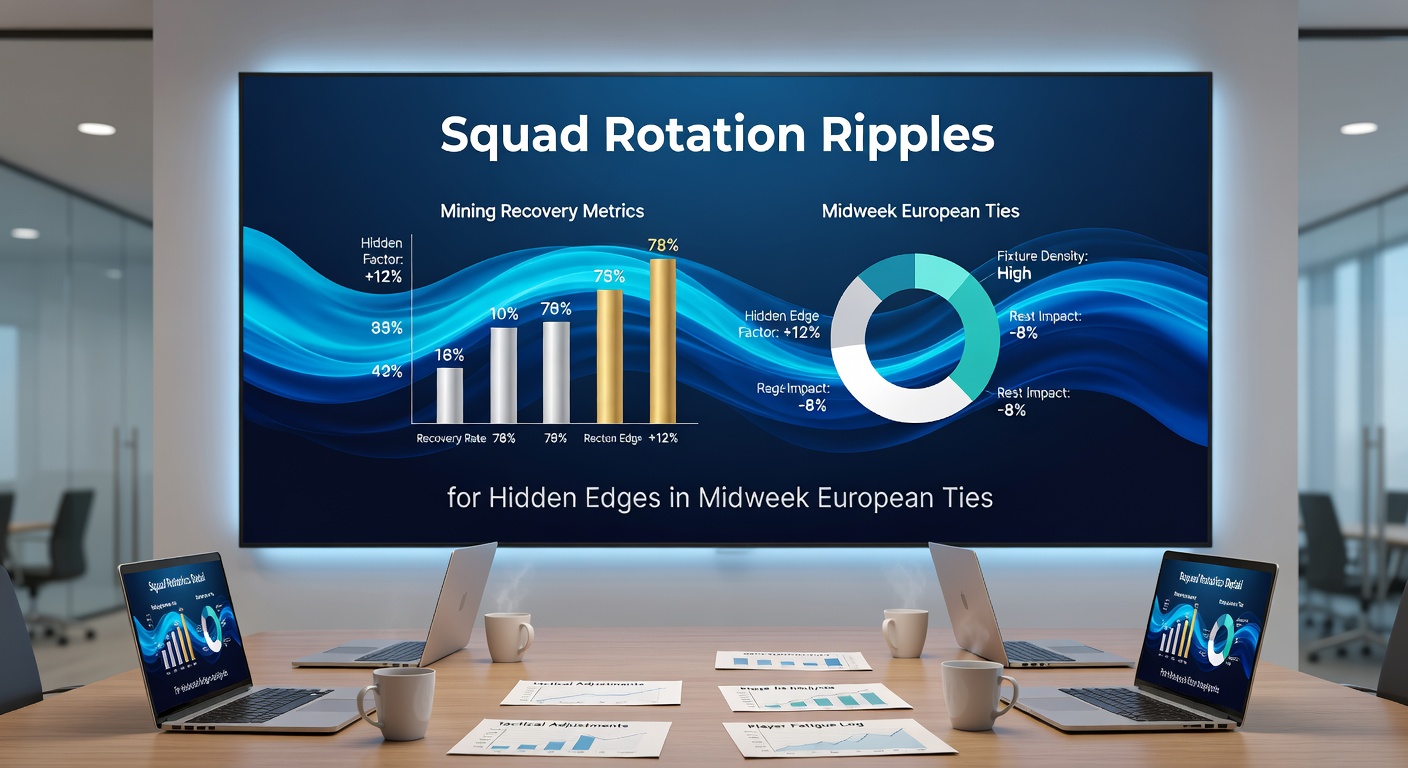
What's interesting is how forward lines respond differently than defensive units, since attackers often require longer periods to regain sharpness after high-speed efforts in midweek ties; Bundesliga records show that teams rotating at least two attackers post-European matches score at higher rates in domestic fixtures than those that keep their attacking core intact.
Geographic and Schedule Influences on Rotation Decisions
Travel distance plays a measurable role in rotation frequency, and data compiled by European football analytics groups shows that clubs traveling more than 1,500 kilometers for midweek ties rotate an average of 4.2 players more than those facing shorter journeys; this pattern appears across the 2026 spring schedule when several clubs prepare for decisive May fixtures that determine league titles and European qualification spots.
Scandinavian and Eastern European sides face additional challenges because of harsher weather conditions during winter and early spring rounds, which compounds fatigue and prompts earlier squad adjustments; researchers tracking these variables have documented that teams from colder climates record elevated recovery scores when coaches prioritize rest for players over 30 years old.
Statistical Patterns Across Competitions
Long-term datasets covering the past five seasons demonstrate that sides employing systematic rotation in midweek European ties maintain steadier results in domestic leagues, while those that resist rotation encounter steeper performance drops after March; the trend continues into May 2026 as clubs navigate final league rounds alongside potential Europa League or Conference League finals.
Tracking tools now integrate multiple variables including match load, travel time, and individual recovery timelines to generate predictive outputs that coaches review before each selection meeting; these outputs help identify which positions benefit most from fresh legs and which players can handle consecutive starts without measurable decline.
Future Developments in Recovery Monitoring
Advancements in real-time biometric sensors continue to refine how clubs quantify the effects of squad rotation, and industry reports from sports technology firms highlight ongoing trials of AI-assisted models that forecast individual recovery curves based on historical European match data; such tools may allow even more precise decisions during the closing weeks of the 2025-2026 season when margins narrow.
Observers tracking these developments note that successful rotation policies correlate with sustained performance across multiple fronts, yet the approach requires careful calibration because over-rotation can disrupt team chemistry in high-stakes knockout ties.
Conclusion
European clubs have integrated recovery metrics into routine squad planning for midweek ties, and the resulting data sets offer detailed views of how rotation influences subsequent match outcomes; as the 2026 calendar moves toward its final stages, these insights remain central to maintaining competitive balance across domestic and continental commitments.