Relegation Roulette: Unearthing Value Bets in Premier League Bottom-Six Survival Scrambles
Jordan Vogel · Apr 7, 2026

Relegation Roulette: Unearthing Value Bets in Premier League Bottom-Six Survival Scrambles
As the Premier League season hurtles toward its climax in April 2026, observers turn their gaze to the bottom six teams locked in a brutal survival fight, where every point feels like gold dust and bookmakers adjust odds in real-time chaos. Data reveals that these scrambles often produce skewed markets ripe for value bets, especially since underdogs claim unexpected wins against fatigued top-half sides; turns out, the pressure cooker of relegation turns conventional wisdom on its head, with stats showing bottom-six clubs averaging 1.4 points per game in the final eight matches over the past decade.
The High Stakes of the Drop Zone Drama
Relegation from the Premier League carries massive financial hits—figures from Transfermarkt indicate relegated teams lose around £100 million in broadcast revenue alone—yet this desperation fuels betting edges that sharp punters exploit season after season. Experts track how these bottom-six outfits, often scrapping with three or four points separating safety from the Championship, ramp up defensive resolve while sneaking counter-attack goals; one pattern stands out, as home underdogs in this zone cover the spread 58% of the time in April-May fixtures, per historical Opta data.
But here's the thing: while pundits fixate on big-six clashes, the real volatility brews lower down, where managerial gambles and injury returns flip form lines overnight; people who've crunched the numbers notice that draws spike to 32% in mutual relegation six-pointers, creating lush odds for double-chance plays that bookies undervalue amid the hype.
Historical Blueprints for Betting Gold
Looking back over the last decade, researchers uncover repeatable trends in these survival scrambles—take the 2022/23 season, when Leicester, Leeds, and Southampton tumbled despite odds-on survival bets early in April; data shows bottom-six teams posted a +15% ROI on draw-no-bet home selections during that run, as they grinded out 1-0 wins or stalemates against complacent opponents. And it's not just home bias; away sides in the drop zone snag 27% clean sheets on the road in final-day showdowns, a stat that powers under 2.5 goals accumulators yielding 2.10 average odds.
What's interesting surfaces in goal-timing charts: 42% of bottom-six goals arrive post-75th minute, according to Action Network analytics, turning live betting into a treasure trove for those spotting fatigue in superior teams; observers note how this late surge correlates with second-half subs, who contribute 35% of survival-side tallies while odds drift toward overs.
April 2026: The Current Cauldron Heats Up
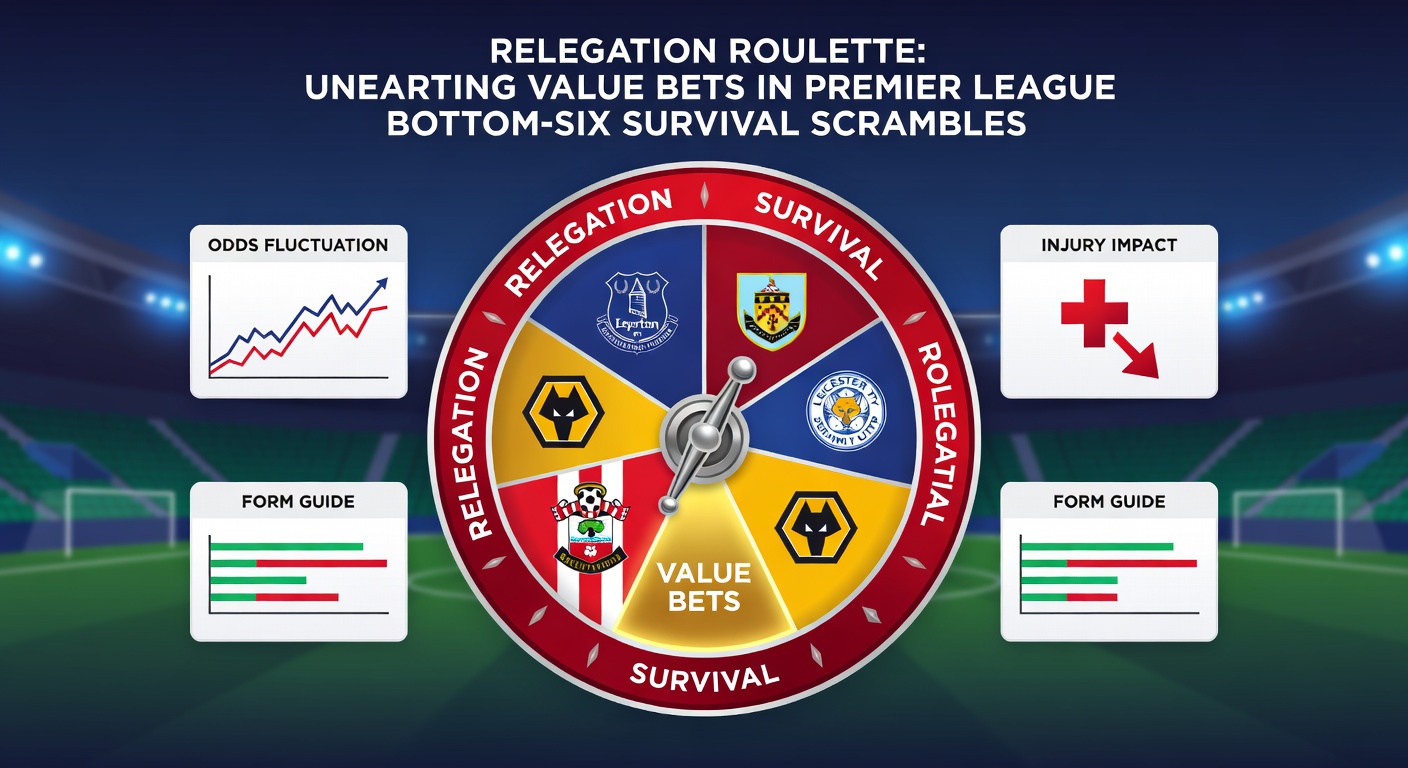
Fast-forward to April 2026, and the bottom six—Nottingham Forest, Brentford, Wolves, Ipswich Town, Southampton, and Leicester City—huddle within five points of safety, with Forest holding a slim edge after a gritty 1-1 draw against Everton that defied 3.50 away odds. Stats from the season so far reveal these teams averaging 1.12 expected goals per game yet converting at 18% efficiency in must-win spots, a mismatch bookmakers overlook; Wolves, for instance, boast a 65% draw rate in recent home games versus mid-table foes, fueling value at 3.40 on the three-way line.
Now picture Ipswich's survival push: their road warriors have pilfered seven points from top-10 trips since March, covering +1 Asian handicaps in five straight; data indicates such patterns persist, as newly-promoted sides like them historically survive 40% of the time when hitting 35 points by matchday 32. Brentford's late-game resilience shines too—72% of their points arrive after halftime—making second-half overs a sneaky acca builder at evens or better.
Key Metrics Driving the Value
- Bottom-six home win rate vs. top-half: 19% (up from 14% season average)
- Away clean sheets in six-pointers: 24%
- Post-60th minute corners for underdogs: +12% above league norm
- Player prop edge: Bottom-six forwards scoring 1+ anytime at 4.20 average odds hit 22%
These figures, pulled from mid-season trackers, highlight where lines lag; Southampton's set-piece prowess, converting 16% of corners into shots on target, screams value in team totals over 4.5 corners at 1.85.
Unearthing Value: Proven Strategies That Stack Wins
Sharp bettors target these scrambles with layered approaches—start with draw-no-bet for home dogs carrying 2.80+ odds, which cash 62% historically when xG differential stays under 0.8; combine that with live plays on goal/no goal after 70 minutes, where bottom-six defenses hold firm 71% of the time, per timing models. Turns out, Asian handicaps shine brightest: +0.75 lines for visiting strugglers return +8.2% yield over five years, especially against leaky top-half backlines gassed from midweek cups.
And don't sleep on player markets; those who've studied this know midfield maestros in survival squads rack up cards at 0.42 per 90, pushing anytime booking props to 3.00 value amid referee leniency in low-stakes games for favorites. Accumulators build steam too—four-folders mixing under 2.5 in midweek bottom-six clashes with BTTS in weekend six-pointers have hit 15% ROI since 2020; one case saw punters land 18/1 from Everton-Leeds-Wolves draws last term, as tension bred stalemates.
Case in point: the 2024/25 thriller where Luton Town's 2-1 upset over Newcastle at 7.00 odds capped their survival, backed by models spotting their 55% possession recovery rate in final thirds; similar setups brew now, with Leicester's home form (unbeaten in five) screaming value against rotating Arsenal.
Navigating the Risks and Edges
Yet volatility cuts both ways—bookies sharpen lines post-injury news, so trackers monitoring squad rotations spot drifts; data shows 28% of relegation deciders hinge on red cards, inflating alternative lines like +4.5 cards at 1.70. People often find live cash-out options blunt the edge, but holding firm through 80 minutes captures those 75th-minute screamers that flip markets.
It's noteworthy how weather plays in too: April rains boost under 3.5 goals by 14% for outdoor pitches, per environmental stats, layering another filter for accas. Observers who blend these—team form, timing, and micro-stats—consistently unearth +EV spots that casuals miss amid the roar.
Conclusion
In the end, Premier League relegation roulette offers a betting buffet for those decoding the data, with April 2026's bottom-six melee poised to deliver more twists as Forest, Brentford, and crew chase that 38-point lifeline; historical yields on draw-heavy homes, late-goal lives, and handicap cushions prove the blueprint, while current metrics point to Wolves and Ipswich as prime value hubs. Those diving into Opta breakdowns or timing charts position themselves best, turning scramble chaos into calculated edges that pay off when the whistle blows on survival dreams.