Royal Ascot Faces £40 Million Illegal Betting Surge as Regulated Market Struggles
Zara Ludwig · Jun 21, 2026

Royal Ascot Faces £40 Million Illegal Betting Surge as Regulated Market Struggles
The Betting and Gaming Council has issued a direct warning that illegal gambling operators stand to capture around £40 million in stakes across the five-day Royal Ascot festival scheduled for the week of 18 June 2026. This projection comes amid ongoing expansion of the UK black market for betting, where unregulated platforms continue to draw customers away from the licensed sector. The council points to higher taxes and mandatory financial risk checks as key factors pushing activity toward operators that operate outside any regulatory framework. Those who monitor the industry have observed that these illegal sites provide no consumer protections, pay no taxes to the Treasury, and contribute nothing to British horseracing. The contrast with the regulated market becomes clear during high-profile events like Royal Ascot, when betting volumes spike and the appeal of avoiding restrictions grows stronger among some participants.Drivers Behind the Projected Black Market Activity
Financial risk checks introduced in the regulated sector require operators to assess customer spending patterns and intervene when activity appears unsustainable. While these measures aim to reduce harm, they also create friction that some bettors seek to avoid. Higher tax rates on licensed betting further widen the gap, since illegal operators face none of these obligations and can therefore offer different terms or fewer interruptions.
The Betting and Gaming Council has highlighted that the combination of these pressures creates an environment where black market operators gain ground during major festivals. Royal Ascot, with its global audience and concentrated betting activity over five days, represents a particularly attractive window for such operators to capture significant stakes without any of the compliance costs borne by licensed firms.
Consequences for Consumers and the Industry
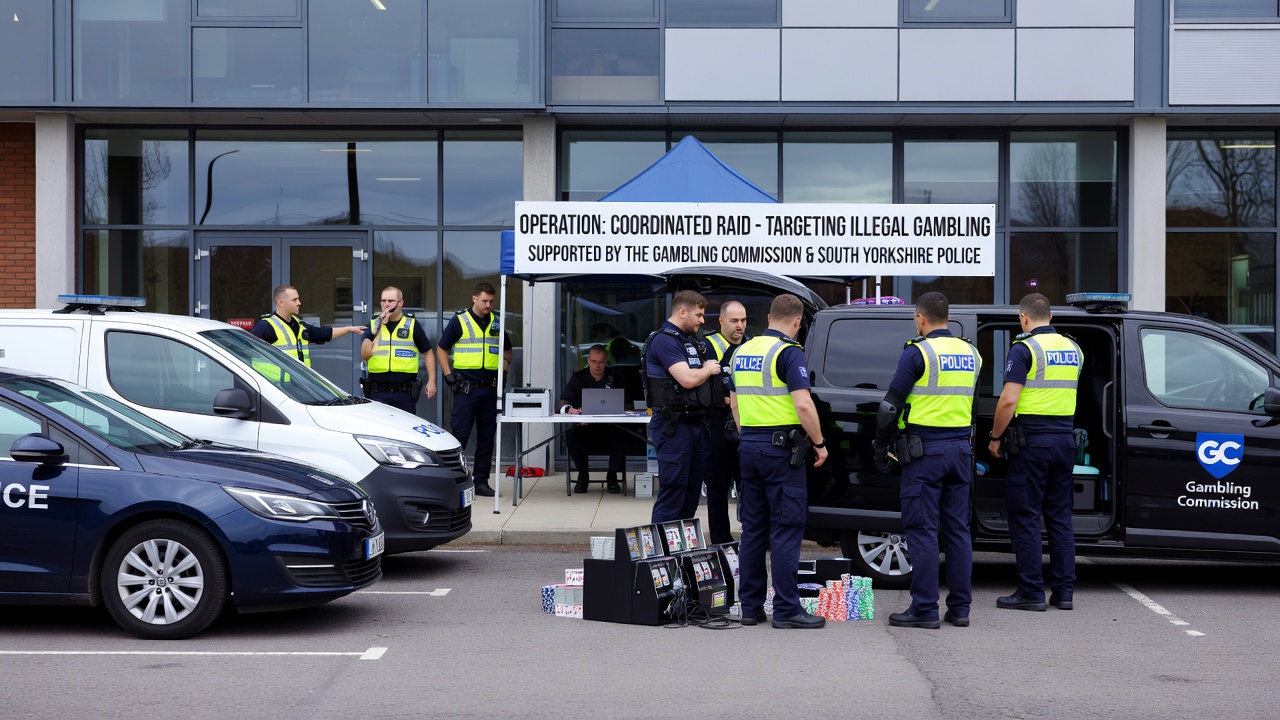
Consumers who place bets with unregulated operators receive none of the safeguards built into the licensed market, including dispute resolution services and protections against unfair practices. The absence of tax contributions also means that revenue which would otherwise support public services instead flows directly to entities outside UK jurisdiction. British horseracing loses out as well, since illegal operators make no payments to the sport's funding mechanisms that licensed betting companies support through levies and agreements.
During the week of 18 June 2026, the five-day duration of Royal Ascot amplifies these effects because the event draws both casual and regular bettors who may encounter the black market through targeted promotions or word-of-mouth channels. The Betting and Gaming Council has noted that once customers move to unregulated platforms, they often remain there for subsequent events rather than returning to licensed operators.
Position of the Betting and Gaming Council
The council has stressed the importance of bolstering the licensed market as the most effective route to limiting illegal activity. This approach focuses on maintaining competitive conditions for regulated operators so that the incentives to shift to the black market diminish. According to the council's statements on the matter, supporting licensed betting channels directly addresses the root causes that allow unregulated operators to project £40 million in stakes during the upcoming Royal Ascot period.
Those familiar with the sector note that the council's emphasis remains on policy adjustments that reduce the cost and compliance burden on legitimate businesses while preserving consumer protections. The warning for June 2026 serves as a concrete illustration of what happens when the balance tilts too far toward unregulated alternatives during peak betting windows.
Broader Context of the Warning
The £40 million figure represents stakes rather than profits, yet it still indicates the scale at which illegal operators expect to operate during one of the UK's most prominent racing festivals. The projection aligns with patterns observed in previous years where major events coincide with measurable increases in black market activity. Observers note that Royal Ascot's combination of prestige, media coverage, and concentrated betting opportunities makes it a focal point for this trend.
The Betting and Gaming Council has connected this specific forecast to the wider dynamics of tax policy and risk-check requirements. As these elements remain in place, the council anticipates continued pressure on the regulated sector unless adjustments occur that make licensed operators more competitive on price and convenience.
Conclusion
The warning issued by the Betting and Gaming Council for the week of 18 June 2026 underscores a measurable risk to both consumers and the horseracing industry. With illegal operators projected to secure around £40 million in stakes during Royal Ascot, the effects of higher taxes and financial risk checks on the regulated market become more visible. The absence of consumer protections, tax payments, and industry contributions from the black market creates a clear distinction that the council has urged policymakers to address through strengthened support for licensed operators.