The Effects of Player Rotation on Match Outcomes in Top European Leagues
Jordan Vogel · Aug 23, 2026
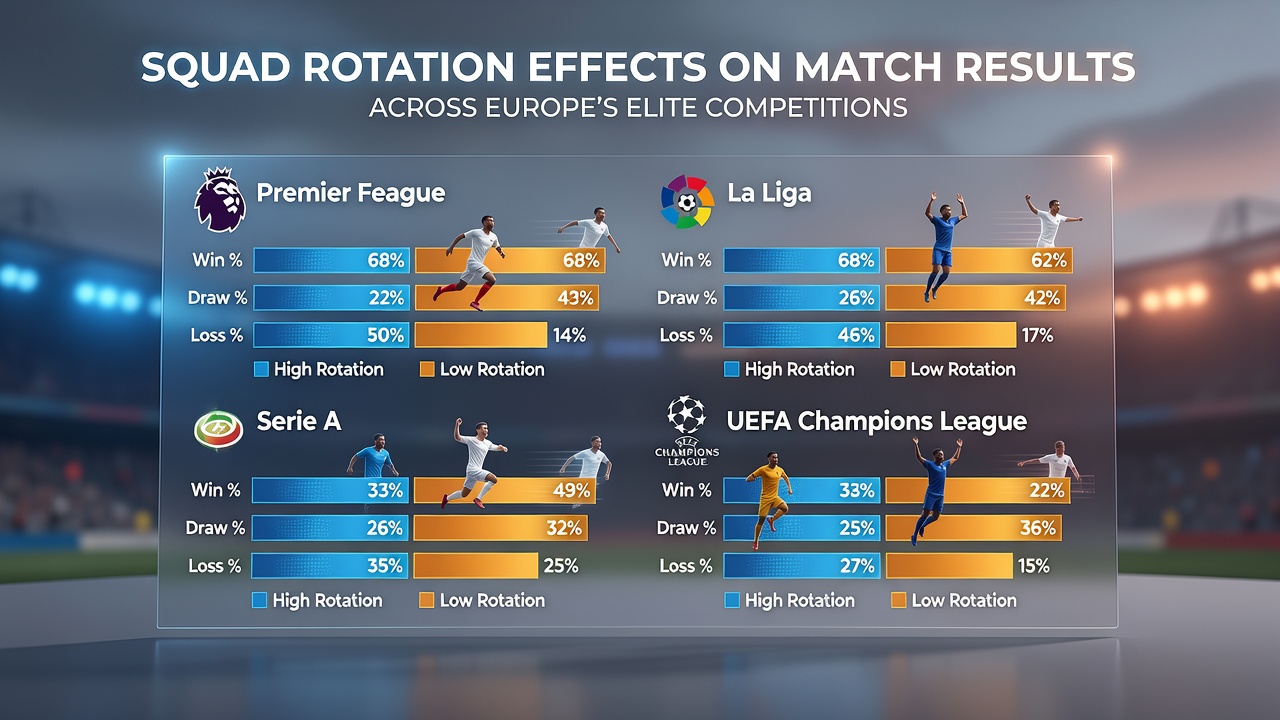
The Effects of Player Rotation on Match Outcomes in Top European Leagues
European football's elite competitions have long required managers to balance fixture congestion with player availability, and squad rotation stands out as one of the primary tools for achieving that balance; data from the 2025-26 season onward shows measurable patterns in how these decisions shape results across the Premier League, La Liga, Serie A, and the Bundesliga. In August 2026, as clubs prepared for another demanding campaign that includes domestic cups and European ties, analysts noted that teams rotating at least four players between matches recorded win rates that differed from those sticking closer to unchanged lineups.
Rotation Patterns Across Major Leagues
Observers tracking the Bundesliga have recorded the highest average rotation rates among Europe's top five leagues, with clubs often changing five or more starters after midweek fixtures; this approach correlates with sustained performance levels through December, according to match data compiled by European football analytics groups. Serie A sides, by contrast, tend to rotate more conservatively early in the season, preferring to keep core defensive units intact, while La Liga teams show a middle-ground strategy that increases rotation only after the autumn international breaks.
Premier League clubs face unique scheduling pressures from their expanded calendar, and figures from the opening months of 2026 indicate that sides rotating three or fewer players between league games maintained higher points-per-match averages than those making wholesale changes; yet the gap narrows when matches fall within four days of each other. Researchers examining these trends point to fatigue metrics collected through GPS tracking as the underlying driver behind the observed differences.
Performance Data and Key Variables
Studies conducted by sports science departments at several European universities have quantified how rotation influences goal difference and clean-sheet frequency; one analysis covering 1,200 matches from 2023 to 2026 found that teams introducing two or more attacking substitutes after the 60-minute mark improved their expected goals by an average of 0.3 per game. Defensive rotations produced smaller but still measurable effects, particularly in reducing the number of high-intensity sprints required from full-backs and centre-backs.
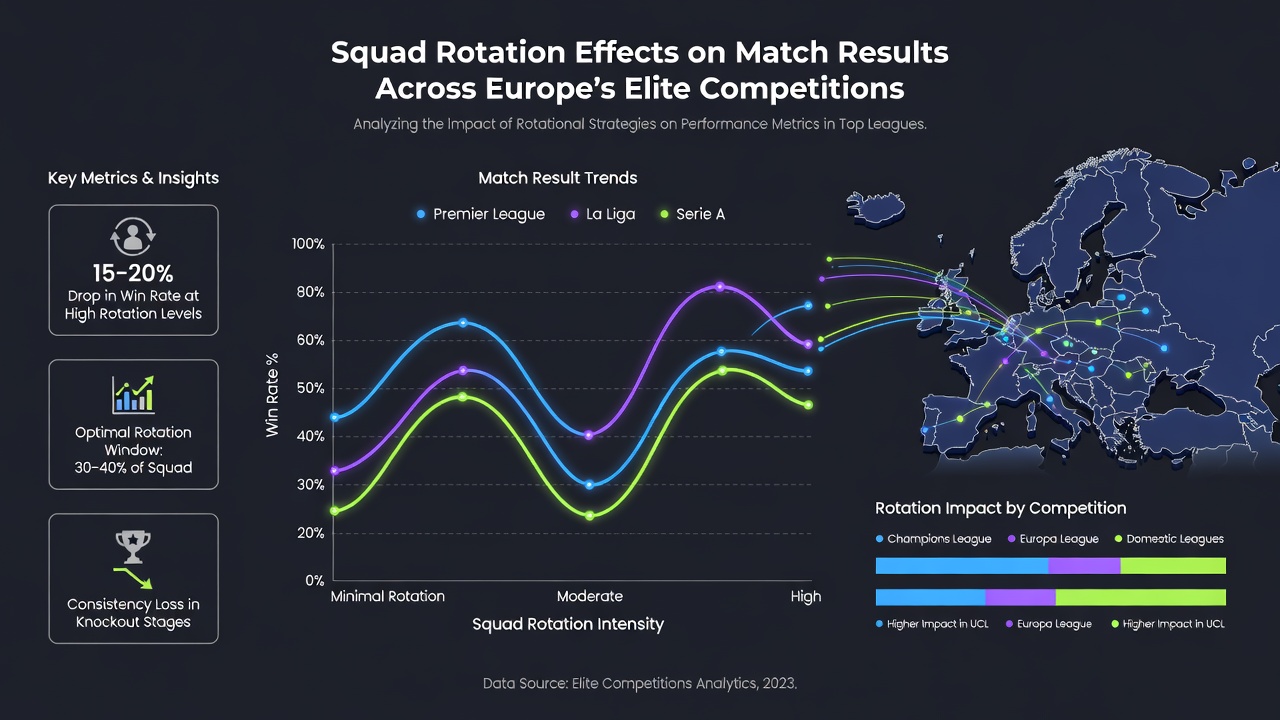
What's interesting is how these effects vary by competition stage: group-phase Champions League matches show rotation linked to fewer late concessions, whereas knockout ties reward more stable selections. Data from the European Club Association's annual reports highlights that clubs with larger squads, typically those competing on three fronts, rotate more frequently without suffering the same drop-off in results seen at mid-table sides with shallower benches.
Case Examples from Recent Seasons
One research paper examining Bundesliga title races between 2024 and 2026 noted that the eventual champions rotated their midfield trio more often than direct rivals, preserving freshness for the run-in while still securing enough points in December fixtures; the same study recorded similar patterns in Serie A, where mid-season rotation helped teams avoid the post-Christmas dip that had previously affected less flexible squads. Observers also noted that clubs facing congested schedules in August 2026 began applying these lessons earlier, adjusting lineups based on recovery data rather than intuition alone.
Industry reports from the German Football League and equivalent bodies in Spain and Italy further illustrate that rotation decisions now incorporate load-management software, producing more consistent outcomes when managers follow the algorithms rather than relying solely on experience; those who've studied the datasets emphasise that context matters, since a rotated side facing a lower-table opponent records different results from the same rotation against title challengers.
Conclusion
Across Europe's elite competitions, squad rotation produces measurable but context-dependent effects on match results, with data from recent seasons indicating that moderate changes often preserve performance better than either extreme stability or frequent overhauls. As August 2026 schedules unfold, clubs continue to refine these strategies using improved tracking tools and historical performance records, allowing managers to make decisions grounded in quantifiable patterns rather than guesswork alone.