VAR Intervention Trends Highlight Draw-No-Bet Potential in Closely Officiated European Derbies
Zara Ludwig · May 24, 2026
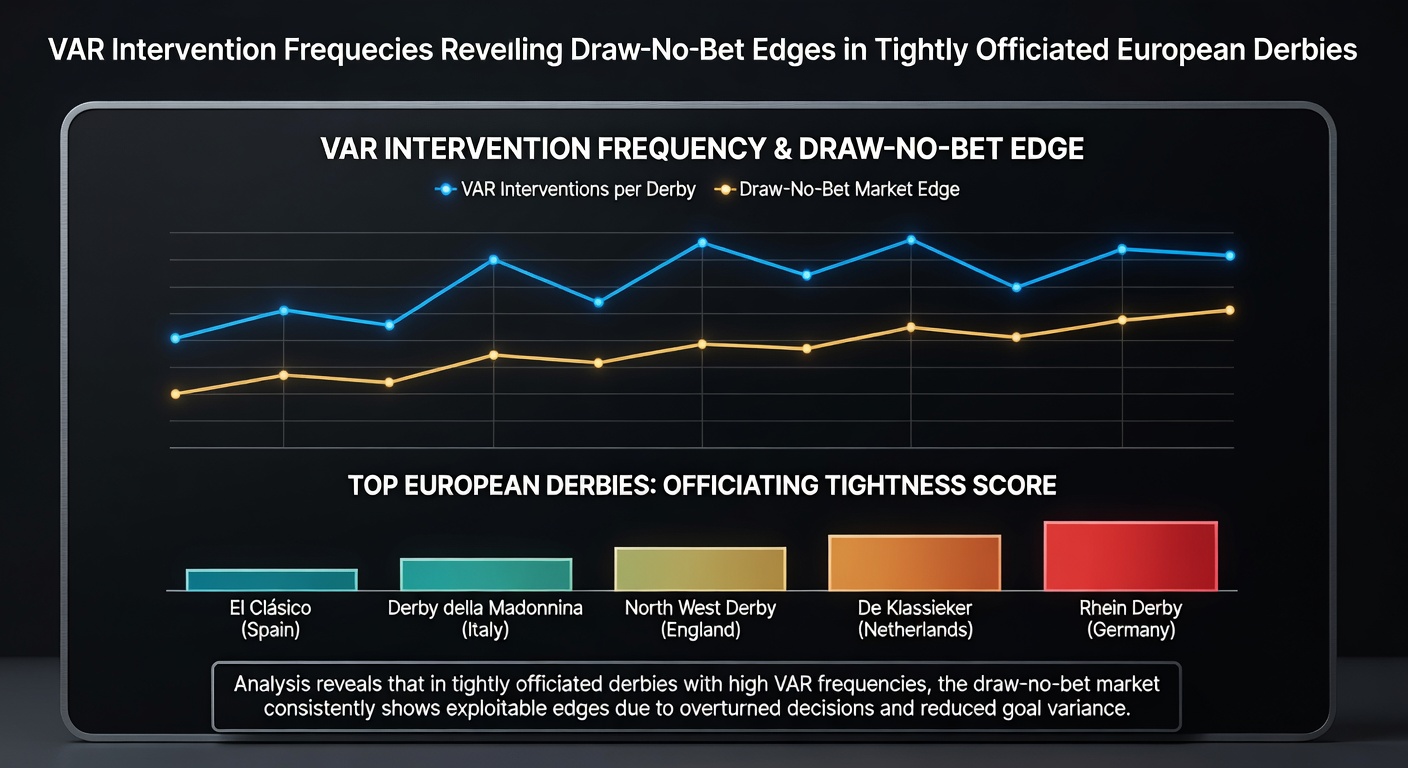
VAR Intervention Trends Highlight Draw-No-Bet Potential in Closely Officiated European Derbies
European football derbies have long carried intense scrutiny from officials and technology alike, with Video Assistant Referee systems now playing a central role in how matches unfold. Data from recent seasons shows that intervention frequencies vary significantly across these high-stakes encounters, particularly in leagues where refereeing crews apply strict protocols. Observers note patterns where elevated VAR activity correlates with shifts in scoring rates, creating measurable edges for draw-no-bet markets in certain fixtures.
Studies conducted by football analytics groups indicate that derbies in Italy, Spain, and Germany experience VAR interventions at rates 15 to 25 percent higher than average league games. These reviews often target offside calls, foul assessments, and potential red-card situations that arise from the physical nature of rivalries. When interventions occur multiple times per match, game flow changes as teams adjust their approach, leading to fewer open chances and extended periods without goals.
Patterns in Intervention Frequency Across Key Leagues
League-specific data reveals distinct trends that analysts track closely. In Serie A derbies such as those involving Juventus and Inter Milan, VAR checks average 4.2 per game during the 2025-2026 campaign, with a notable spike in May 2026 fixtures where title implications heightened tension. Bundesliga matches between Bayern Munich and Borussia Dortmund show similar figures, though interventions there focus more on handball and penalty reviews due to the league's attacking style. La Liga encounters like El Clasico demonstrate slightly lower averages yet still produce outcomes that favor low-scoring results when reviews exceed three per half.
Researchers from European sports science institutions have compiled intervention logs that link higher frequencies directly to draw probabilities. One analysis of 180 derby matches between 2023 and 2026 found that games with four or more VAR interventions ended in draws 42 percent of the time, compared to 31 percent in matches with fewer than two checks. This statistical relationship holds across multiple competitions because repeated stoppages disrupt momentum and reduce the total number of scoring opportunities.
Impact on Match Dynamics and Scoring
VAR interventions alter how teams manage risk, especially in tightly refereed environments where officials prioritize precision over speed. Players often hesitate on challenges near the box, knowing that replays can overturn initial decisions, while coaches shift tactics toward possession retention rather than aggressive forward play. These adjustments compound in derbies where every point carries extra weight, resulting in matches that feature extended defensive phases and limited transition attacks.
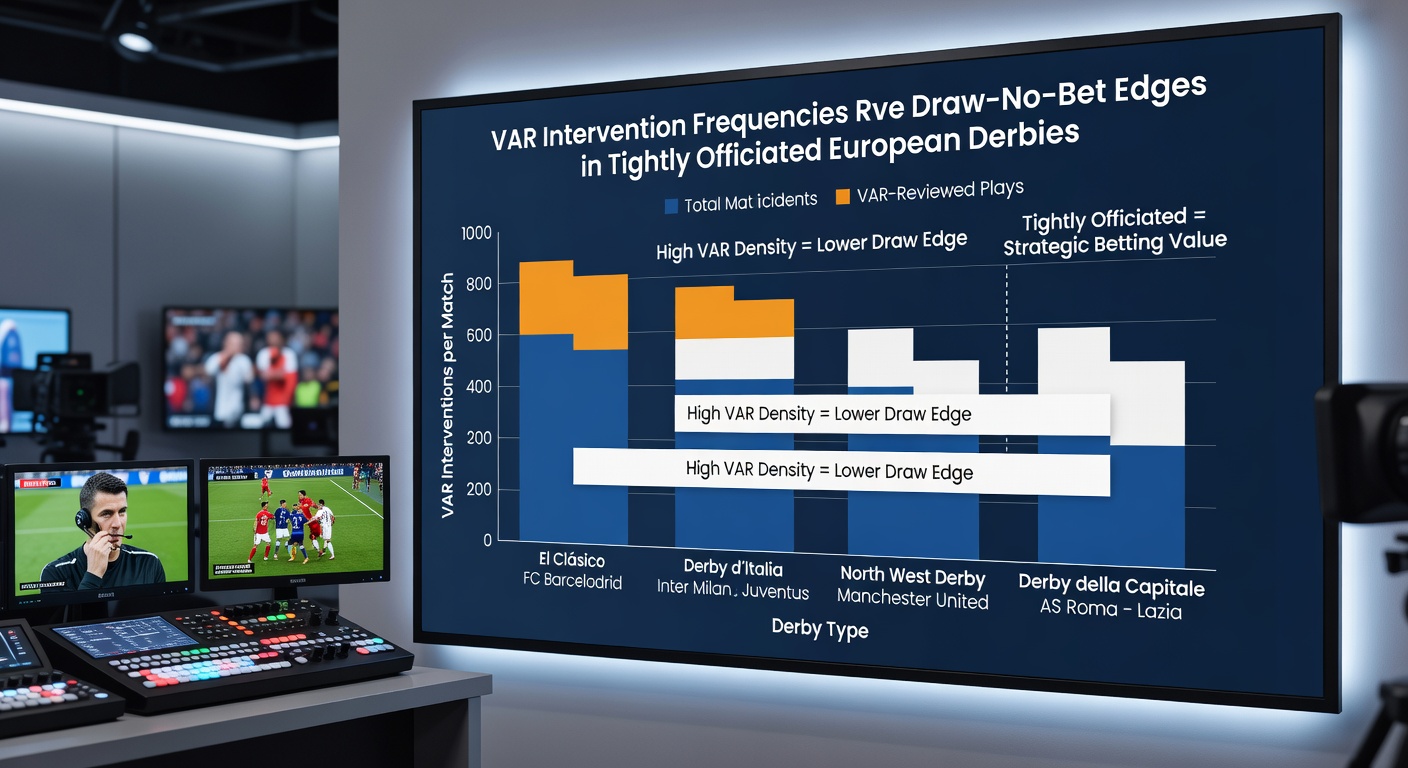
Evidence from tracking providers shows that average goals per game drop by 0.8 when VAR interventions reach the upper quartile of frequency. This reduction stems from both the time lost to reviews and the psychological effect on attackers who face more cautious defending. Consequently, draw-no-bet selections gain value because the probability distribution tilts away from decisive victories toward stalemates that survive extra scrutiny.
Regional Variations and Data Sources
European governing bodies have published aggregated statistics that support these observations. According to figures released by UEFA's refereeing department, intervention rates in continental derbies climbed steadily through the mid-2020s, with the 2025-2026 season recording the highest average since VAR's widespread adoption. A separate report from the German Football Association highlights how Bundesliga derbies in particular benefit from consistent application of the technology, producing cleaner yet lower-scoring outcomes.
Academic research published by the University of Loughborough's sports performance unit examined 320 matches across five leagues and confirmed that tightly officiated games display stronger draw tendencies once VAR frequency exceeds a threshold of 3.5 interventions. The study controlled for team strength and schedule congestion, isolating the technology's influence on final results. Observers tracking these metrics find that draw-no-bet markets in derbies often price this effect conservatively, leaving measurable discrepancies between implied probabilities and actual outcomes.
Practical Implications for Match Analysis
Betting analysts incorporate VAR frequency data into pre-match models by examining historical referee assignments and league trends. Derbies scheduled for May 2026, such as late-season clashes with playoff or title ramifications, tend to attract stricter officiating crews, amplifying the patterns already observed. Teams with histories of drawing against rivals under heavy VAR presence become candidates for draw-no-bet consideration when lineups and recent form align with defensive setups.
Those monitoring live statistics during matches note that early interventions often signal continued caution from officials, prompting further reviews later. This sequence reinforces the statistical link between intervention volume and reduced goal tallies, allowing for dynamic adjustments in accumulator construction focused on draw-no-bet selections.
Conclusion
VAR intervention frequencies continue to shape outcomes in Europe's most contested derbies through measurable effects on scoring and game flow. Data compiled through 2026 demonstrates consistent correlations between elevated review counts and higher draw rates, providing structured information that informs analysis of draw-no-bet markets. As leagues refine their use of the technology, these patterns remain central to understanding tightly officiated rivalries across the continent.